

Bonsai: A Living Philosophy

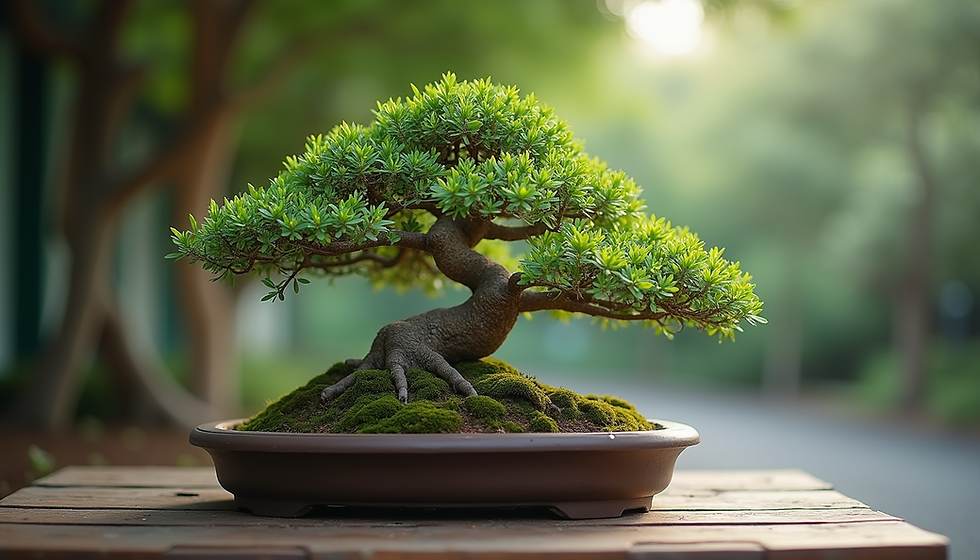
Bonsai represents a unique intersection of art and horticulture, echoing humanity's longstanding connection to nature. The practice of agriculture, which originated as one of the earliest human activities, transitioned from hunting to farming due to its relatively lower risks. This shift marked the beginning of a deeper relationship with the soil, extending beyond mere food production to encompass broader environmental implications.
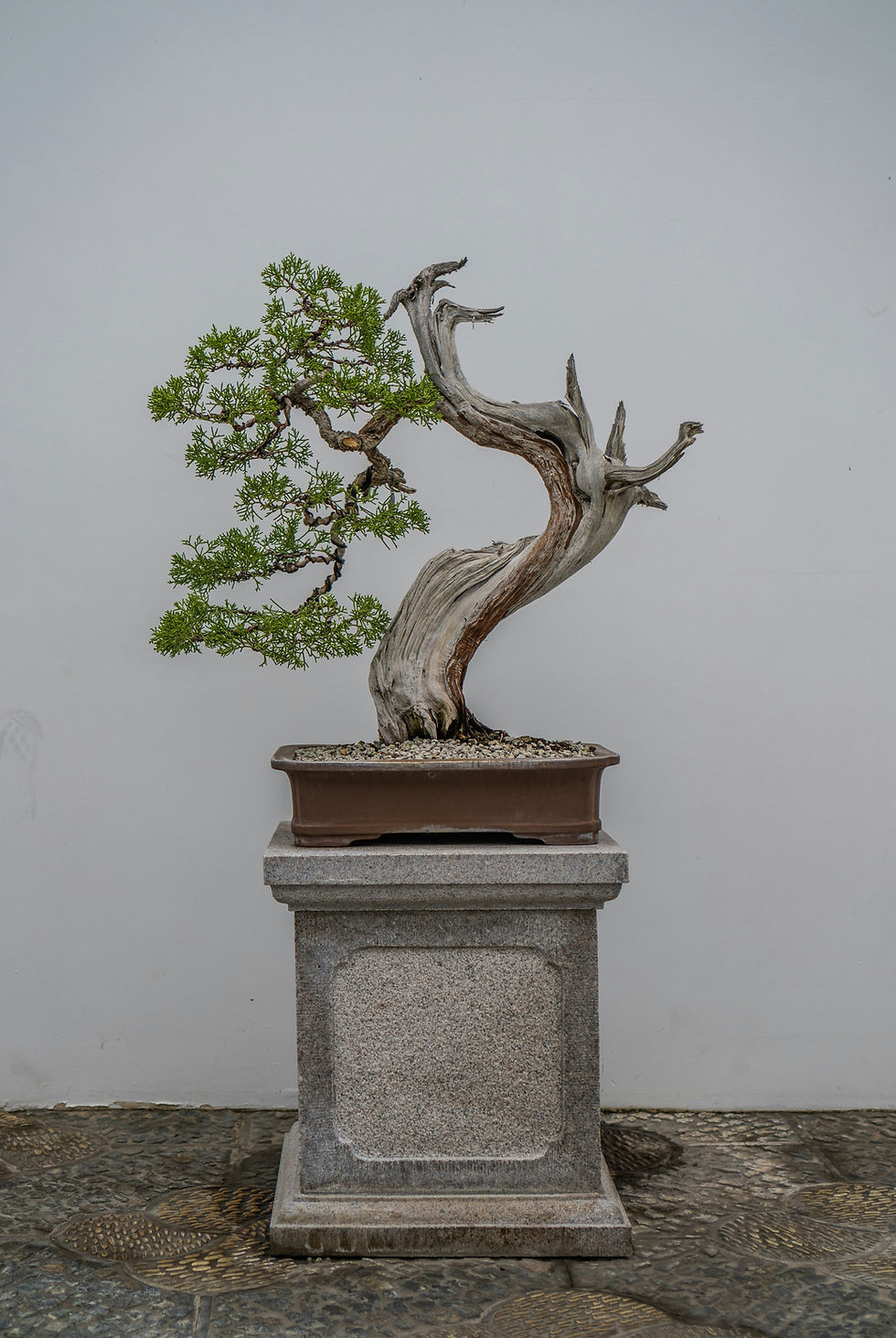
Bonsai exemplifies this relationship by honoring the beauty of trees, even though these miniature versions do not significantly impact oxygen production or carbon storage in combating climate change. Instead, the practice cultivates a love for the environment, engaging individuals who may not typically consider ecological issues. By showcasing intricate representations of nature, bonsai encourages people to make more conscious choices and draw them into this artistic tradition.

From a spiritual perspective, trees are often seen as a connection between the earth and the heavens, with roots firmly planted in the soil and branches reaching skyward. Life is fundamentally powered by electricity, with all living beings functioning akin to self-contained batteries continuously generating electrical energy. On a broader scale, approximately 5,000 thunderstorms occur globally at any given moment, producing electricity that interacts with the ground and returns to the atmosphere through trees and plants. This dynamic illustrates the critical role trees play within the ecological system.
Humans are part of this electrical framework, accumulating energy through daily living. Engaging with plants allows individuals to channel their excess energy, which, while harmless to people, benefits the plants. Research has shown that trees and plants receiving regular human contact tend to thrive better than those that do not, underscoring the reciprocal relationship between plants and people.

The practice of bonsai, refined in Japan, is deeply ingrained in Zen Buddhism, which emphasizes balance, patience, and the appreciation of natural beauty. The primary goal of bonsai is to capture the essence of a full-sized, mature tree in nature, replicating features like weathered bark and complex branch structures in a small-scale, living sculpture.
Bonsai transcends traditional gardening techniques, embodying a "living art" where practitioners engage in a lifelong dialogue with their trees. It embraces the Japanese aesthetic of wabi-sabi, finding beauty in imperfection, decay, and transience. The process is slow, requiring long-term care and often passing down trees through generations. Successful bonsai care prioritizes the harmonious balance of the tree's branches, trunk, and roots, mirroring the forms found in nature. Instead of enforcing dominance over the plant, artists guide its growth through careful pruning and wiring. Unlike static sculptures, bonsai changes over time, necessitating constant attention and fostering a meditative connection between the artist and the tree.
Bonsai enthusiasts often draw inspiration from trees in their native habitats, particularly those surviving extreme conditions such as rocky cliffs or windy areas. These miniatures symbolize resilience and survival, representing life’s ability to flourish despite challenges. The practice serves as a "portable oasis" offering stress relief, contemplation, and mental stillness. Different species of bonsai carry significant meanings; for instance, pines symbolize longevity and strength, while junipers are associated with protection.
Ultimately, bonsai reflects a profound "dialogue with time," representing the human desire for connection with the natural world and the aspiration to create lasting, serene masterpieces.
Comments